
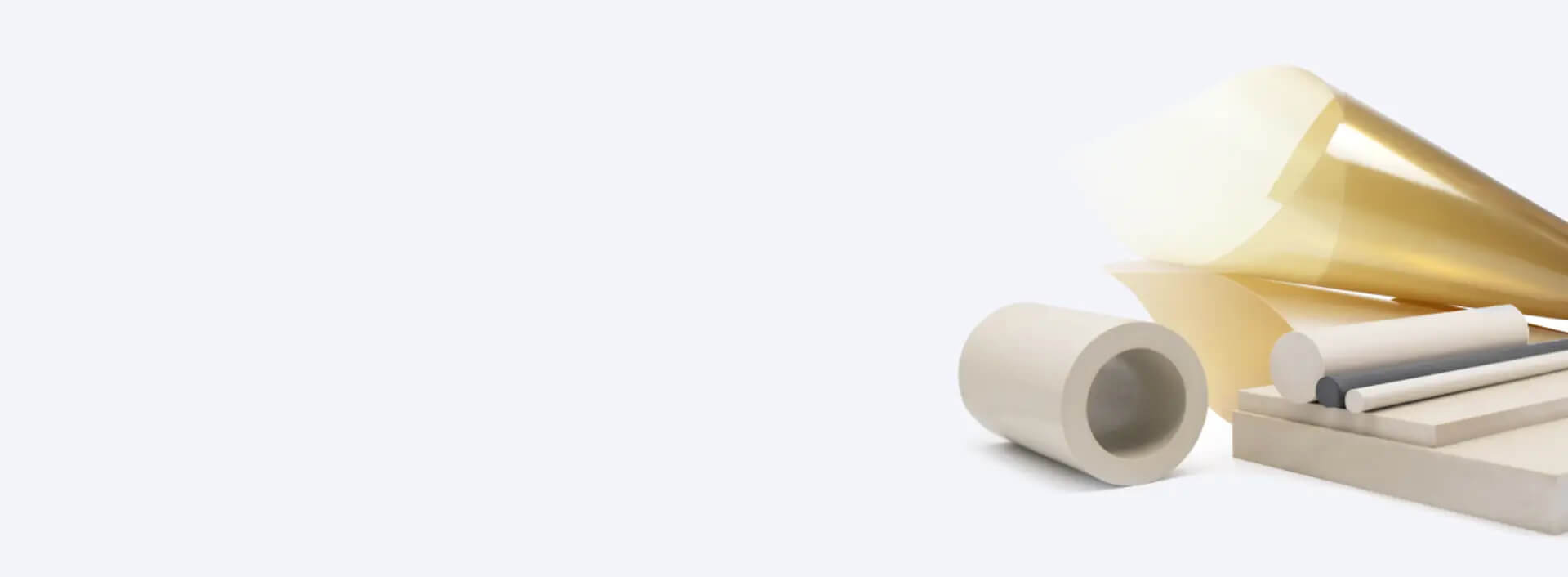
PEEK Film
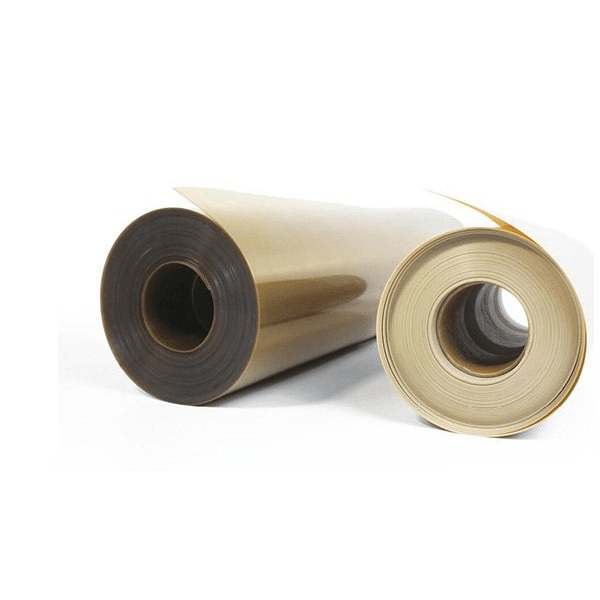
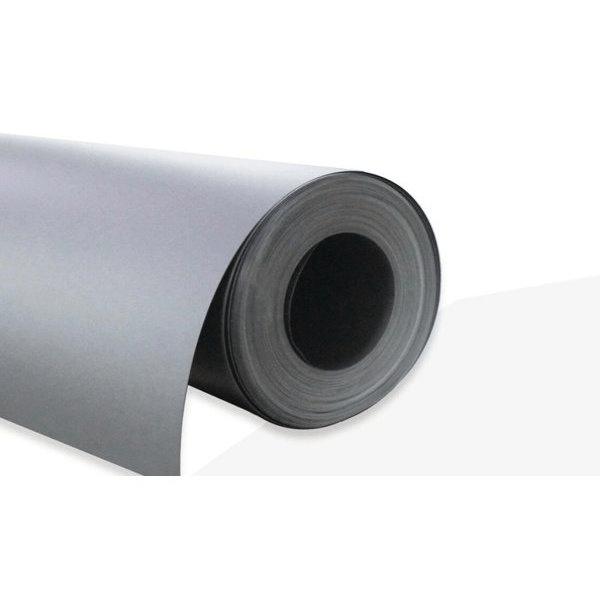
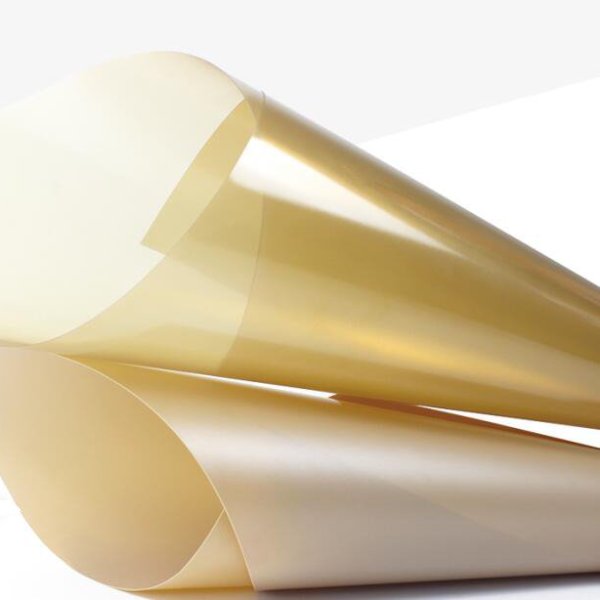
PEEK Film
PEEK films/sheets are made by melting PEEK particles at high temperature and then casting them into a tape-cast form.
The films we produce are mainly divided into amorphous transparent films and crystalline films.
We will be in a very short time to give you a satisfactory answer.
Applications
Electronic Products
- CD/DVD drive components
- Printer components
- Chip carriers
- Smartphone insulation components
- Camera components
Automotive
- Brake systems
- Clutches
- Transmission parts
- Drive system components
- Automotive exhaust components
Oil & Gas, Petrochemical
- Lifting pumps
- Pump bodies, valves
- Valve gaskets
- Wear rings, wear strips
- Seals
- Reciprocating compressor components
Aerospace
- Aircraft components
- Aerospace structural parts
- Airframe wear sleeves
- Thrusters, actuators
Electronics, Semiconductors
- Wafer dicing trays
- Ion implant components
- Etching equipment components
- Wafer handling components
Food and Medical
- Implants
- Dentures
- Sterilizers
- Sterilization containers
- Orthopedic instruments
- Surgical instruments
PEEK Film / PEEK Sheet
| Product Name Code | Color | Surface Texture | Thickness × Width {T×W} mm |
|---|---|---|---|
| PEEK Film | Natural/Black | Polished/Unpolished, Gloss/Matte | (0.1~0.25) × 1360 |
| PEEK Sheet | Natural/Black | Polished/Unpolished, Gloss/Matte | (0.25~0.4) × 1360, (0.5~0.8) × 660 |
| Property Group | Property | Test Method | Units | Value |
|---|---|---|---|---|
| Physical | Density | ASTM D792 | g/cm3 | 1.26 – 1.29 |
| Average Water Absorption (24 h) | ASTM D570 | % | 0.04 | |
| Heat Shrinkage (200°C) | ISO 11501 | % | 0.8 – 4.7 | |
| Mechanical | Tensile Strength at Yield (MD) | ASTM D882 | MPa | 70 – 90 |
| Tensile Strength at Yield (TD) | ASTM D882 | MPa | 68 – 86 | |
| Tensile Strength at Break (MD) | ASTM D882 | MPa | 120 – 186 | |
| Tensile Strength at Break (TD) | ASTM D882 | MPa | 112 – 115 | |
| Elongation at Break (MD) | ASTM D882 | % | 186 – 225 | |
| Elongation at Break (TD) | ASTM D882 | % | 145 – 180 | |
| Tensile Modulus (MD) | ASTM D882 | MPa | 1993 – 2755 | |
| Tensile Modulus (TD) | ASTM D882 | MPa | 1964 – 2568 | |
| Thermal | Melting Point | ISO 11357 | °C | 343 |
| Coefficient of Thermal Expansion (< Tg) | ISO 11359 | ppm / K | 55 – 60 | |
| Glass Transition Temperature | ISO 11357 | °C | 153 | |
| Electrical | Dielectric Strength (25 μm) | ASTM D149 | kV/mm | 150 |
| Volume Resistivity @25°C, 50% RH | ASTM D257 | Ω·m | 1016 | |
| Dielectric Constant (50 MHz) | ASTM D150 | — | 3.12 – 3.3 | |
| Loss Tangent (50 MHz) | ASTM D150 | — | 0.004 – 0.005 |
Note: Values shown are typical ranges. Test methods and units indicated where available.
Advantages of PEEK Material
1. High and Low Temperature Resistance
High temperature resistance, melting point index… The operating temperature is 267°C, and it still maintains performance at -196°C.
2. Wear and Self-Lubricating
Minimal wear loss, with excellent self-lubricating properties.
3. Superior Insulation Performance
Maintains excellent insulation performance in high temperature, high pressure, and humid environments.
4. Corrosion Resistance
Resistant to most chemical reagents and organic solvents.
5. Good Radiation Resistance
Good resistance to various radiation sources.
6. Good Flame Retardancy
Exhibits excellent flame-retardant performance at certain thicknesses.
7. Hydrolysis Resistance
Low water absorption (0.04%), suitable for long-term use in 200°C steam.
8. Good Flexibility
Exhibits good flexibility.